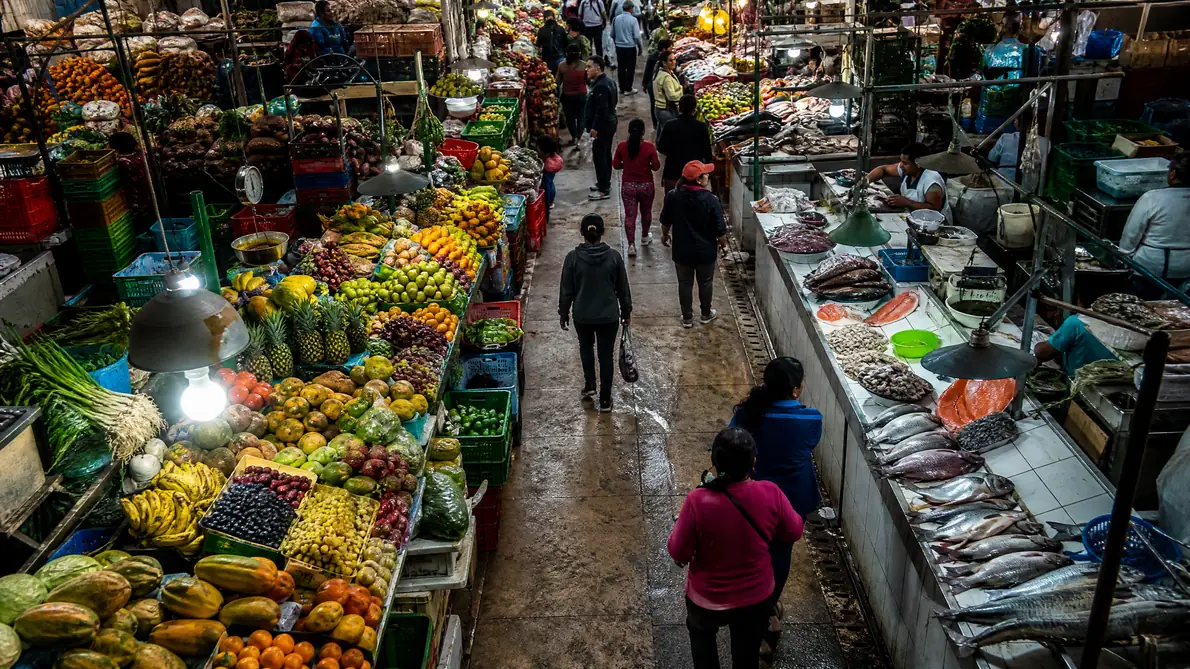
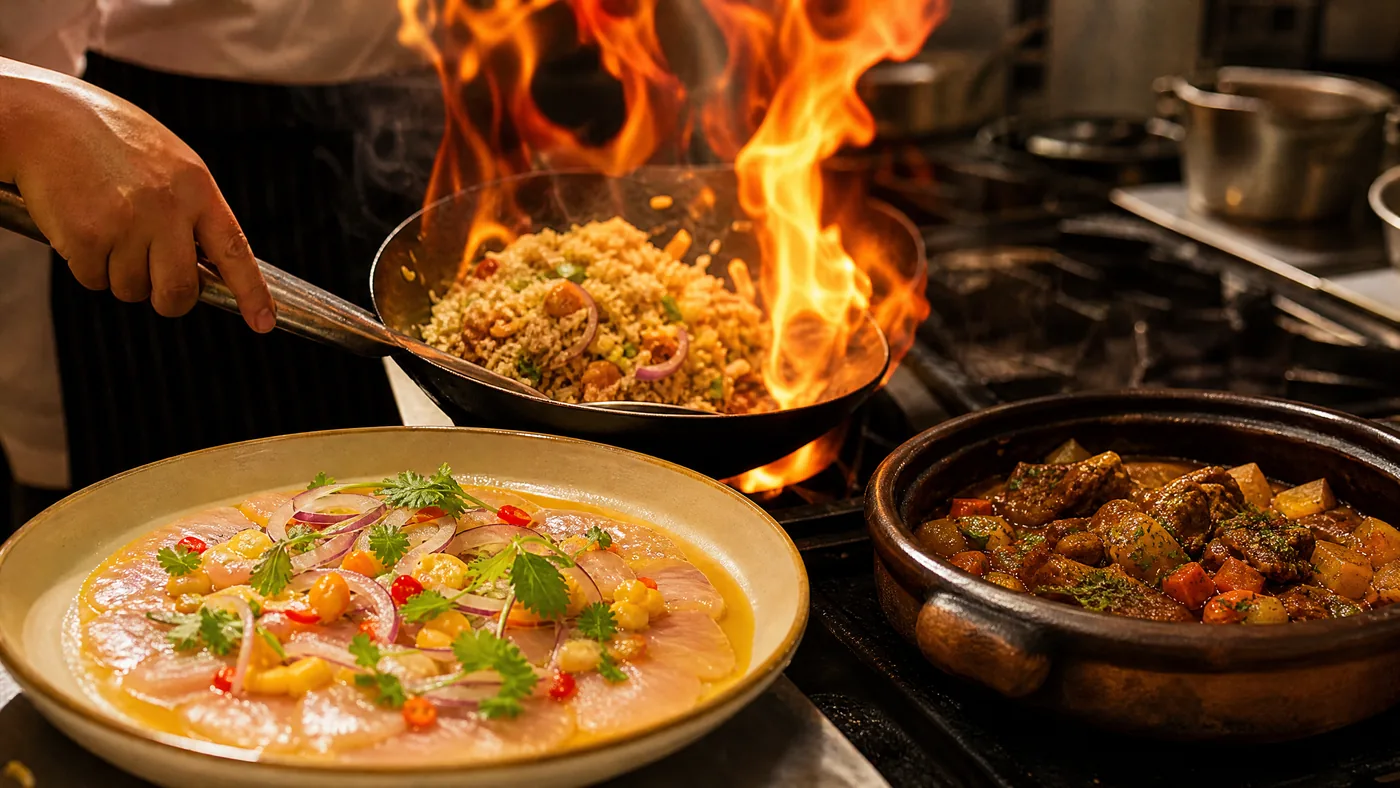
Booking choice: The Surquillo market tour, from $71 per person. Check dates Tour details
PromPerú explains Lima's food as years of fusion, from pre-Hispanic and colonial cooking to the arrival of Asian and European cuisine. Then it adds the line we like best: the true secret is the freedom that exists to create.
This guide breaks that down into the ingredients, the migrants, the two fusion cuisines and the awards, and it answers the two questions travellers argue about: is it the best food in the world, and is it better than Mexican?
The quick answer
Peruvian food is so good because of its ingredients and its history. Peru grows more than 3,500 kinds of potato, a range of ají peppers and Amazonian fruit, and its cold Pacific current brings superb fish. Spanish, African, Chinese and Japanese migrants each added techniques, which gave Lima chifa and Nikkei. Peru has won the World Travel Awards title of World's Leading Culinary Destination more than a dozen times, most recently in 2025. The Surquillo market tour tastes the whole story from $71.
Why is food so good in Peru?
Because the pantry is huge and the cooks are free to mix it. Peru's coast, Andes and Amazon all feed Lima, and every wave of migrants added a technique.
Few countries pack so many climates into one border. The desert coast lands fish, the Andes grow potatoes, corn and quinoa, and the rainforest sends fruit and river fish. Lima, at 138 m above the sea, gets all of it.
Then add the people. Peruvian cooks never treated a recipe as sacred. A Cantonese wok, a Japanese knife and an Andean pepper meet in one dish, and nobody calls it fusion. It is just lunch.
What makes Peruvian ingredients special?
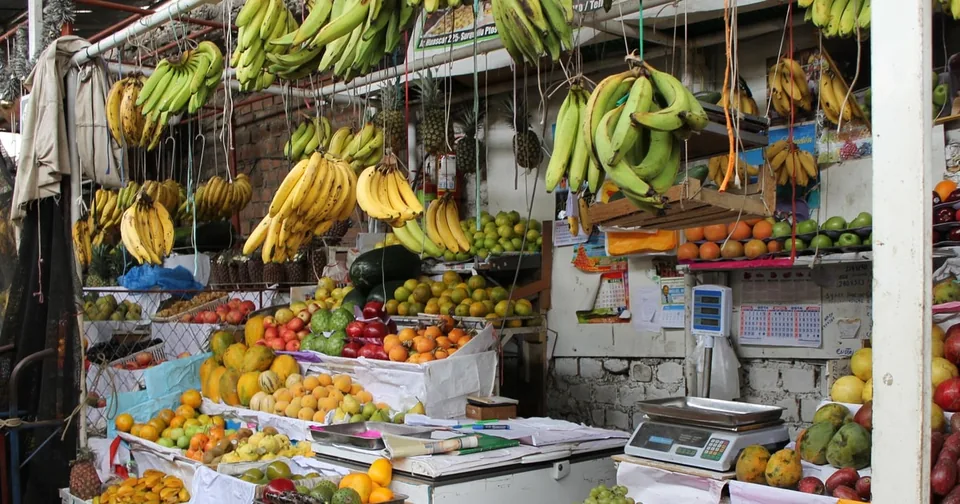
Variety. Andina counts more than 3,500 potato varieties, and the ají peppers, purple corn and Amazonian fruit exist almost nowhere else.
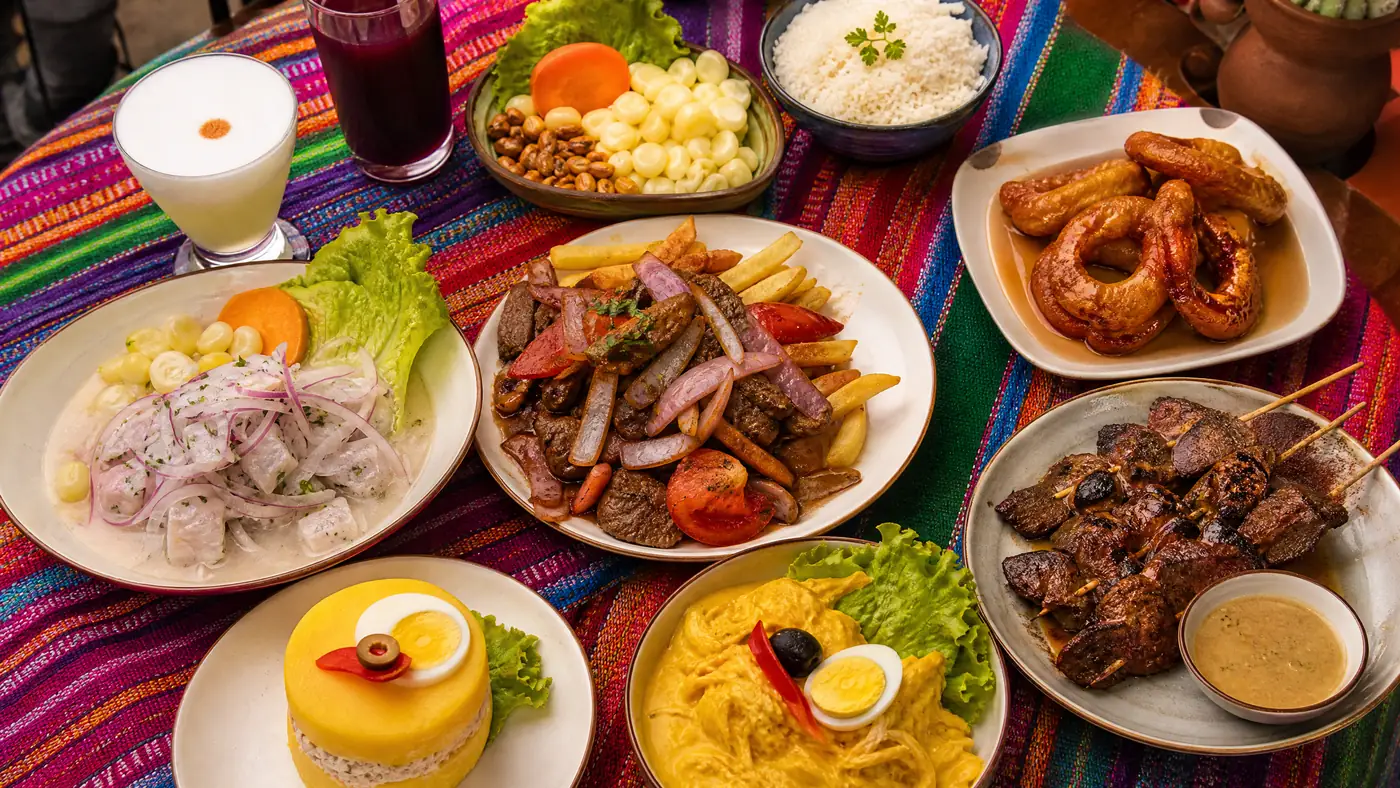
Most of the world's potatoes descend from a plant first grown in the Peruvian Andes. Ají amarillo gives colour and fruit more than heat, ají limo brings the bite to ceviche, rocoto brings the fire and ají panca the smoke on anticuchos. Purple corn becomes chicha morada and mazamorra. Lúcuma flavours ice cream, and chirimoya, granadilla and aguaymanto turn up on every market tour.
| Ingredient | What it does | Where you taste it |
|---|---|---|
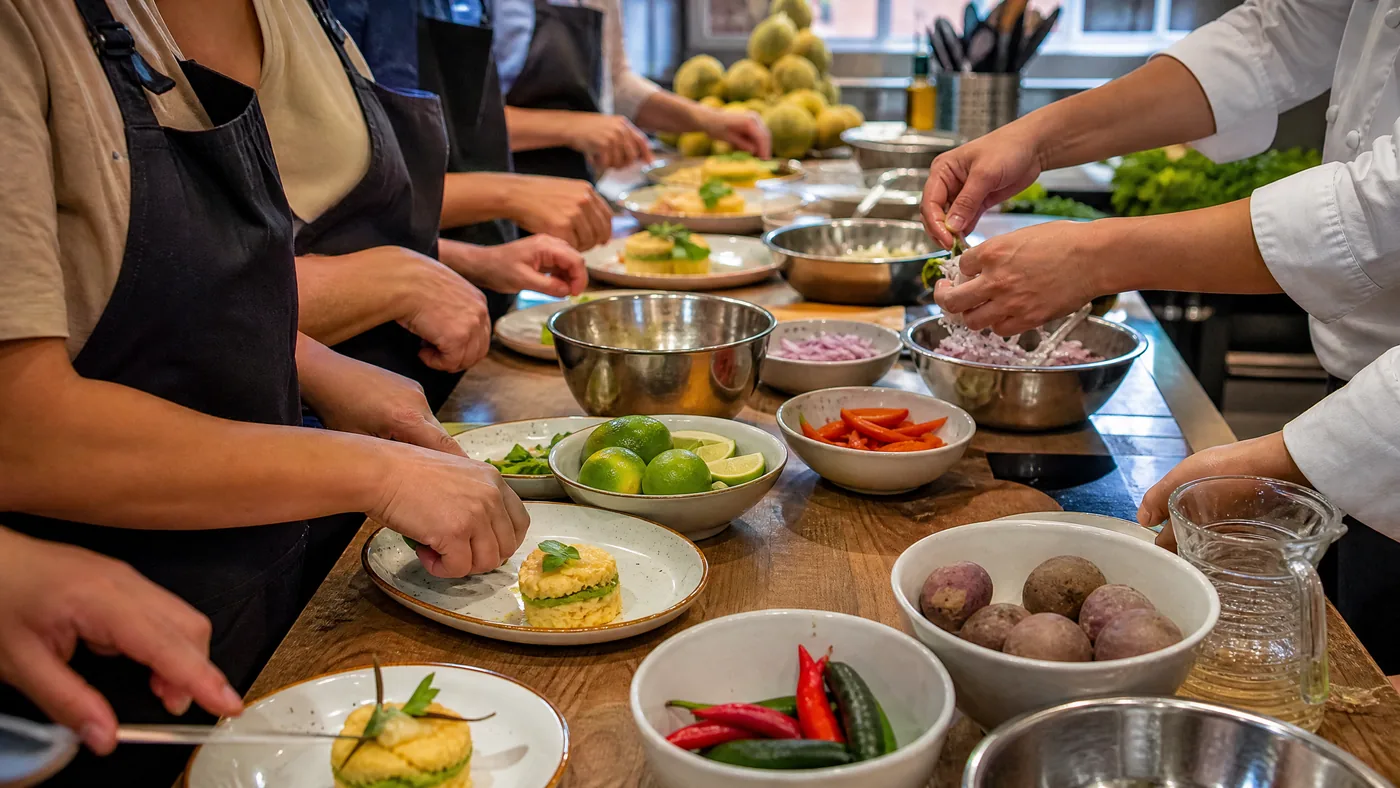
| Yellow potato | The soft base of causa | Cooking class with market tour |
| Ají amarillo | Fruity heat in causa and ají de gallina | Most Criollo stops |
| Ají limo and rocoto | The bite in ceviche | Miraflores cooking class |
| Purple corn | Chicha morada and mazamorra morada | Ceviche and pisco tour, two-hour tour |
| Amazonian and Andean fruit | Lúcuma, chirimoya, granadilla, aguaymanto | Surquillo market tour, tuk-tuk tour |
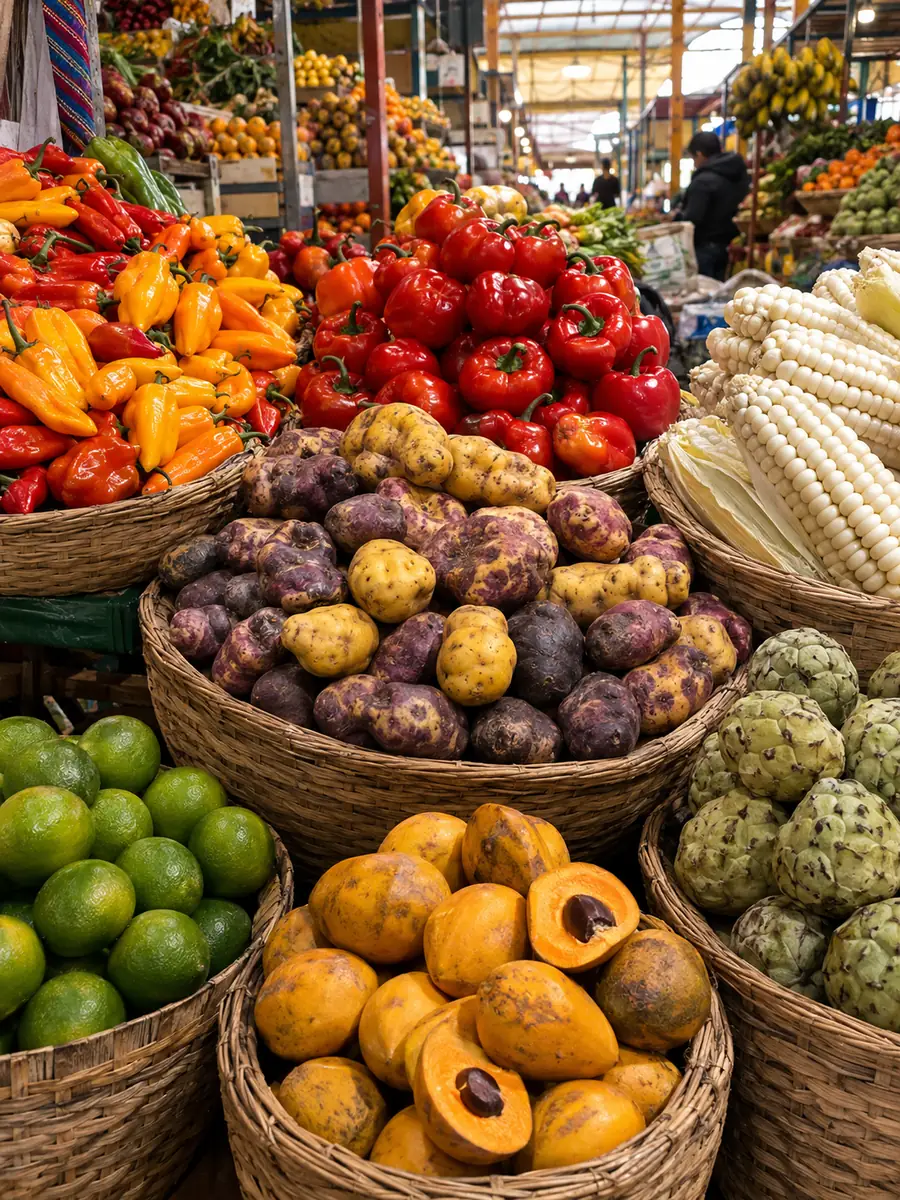
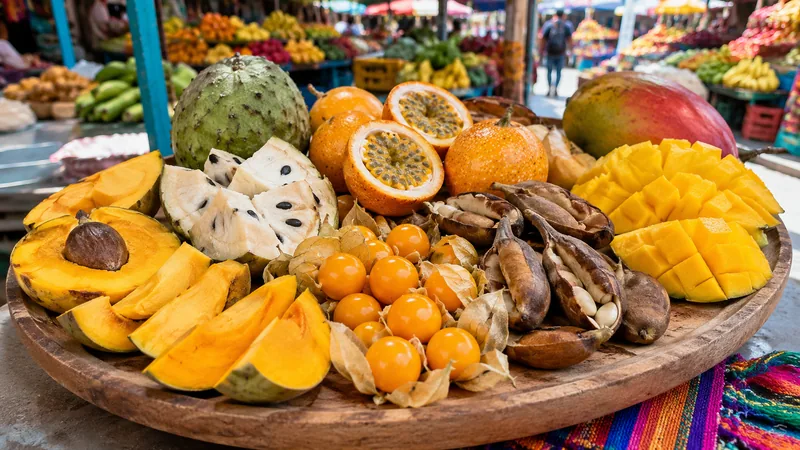
Start in the Surquillo market with Amazonian and Andean fruit, then ceviche and pisco, Criollo stews and a Nikkei or Amazonian bite. 4.9 stars from 77 reviews.
Explore the Surquillo market tour Tour detailsHow did migrants shape Peruvian food?
Each group added something: the Spanish brought limes, onions and beef, Africans the anticucho, the Chinese the wok, the Japanese the raw-fish precision.
- Spain (from the 16th century): onions, garlic, citrus, beef and frying.
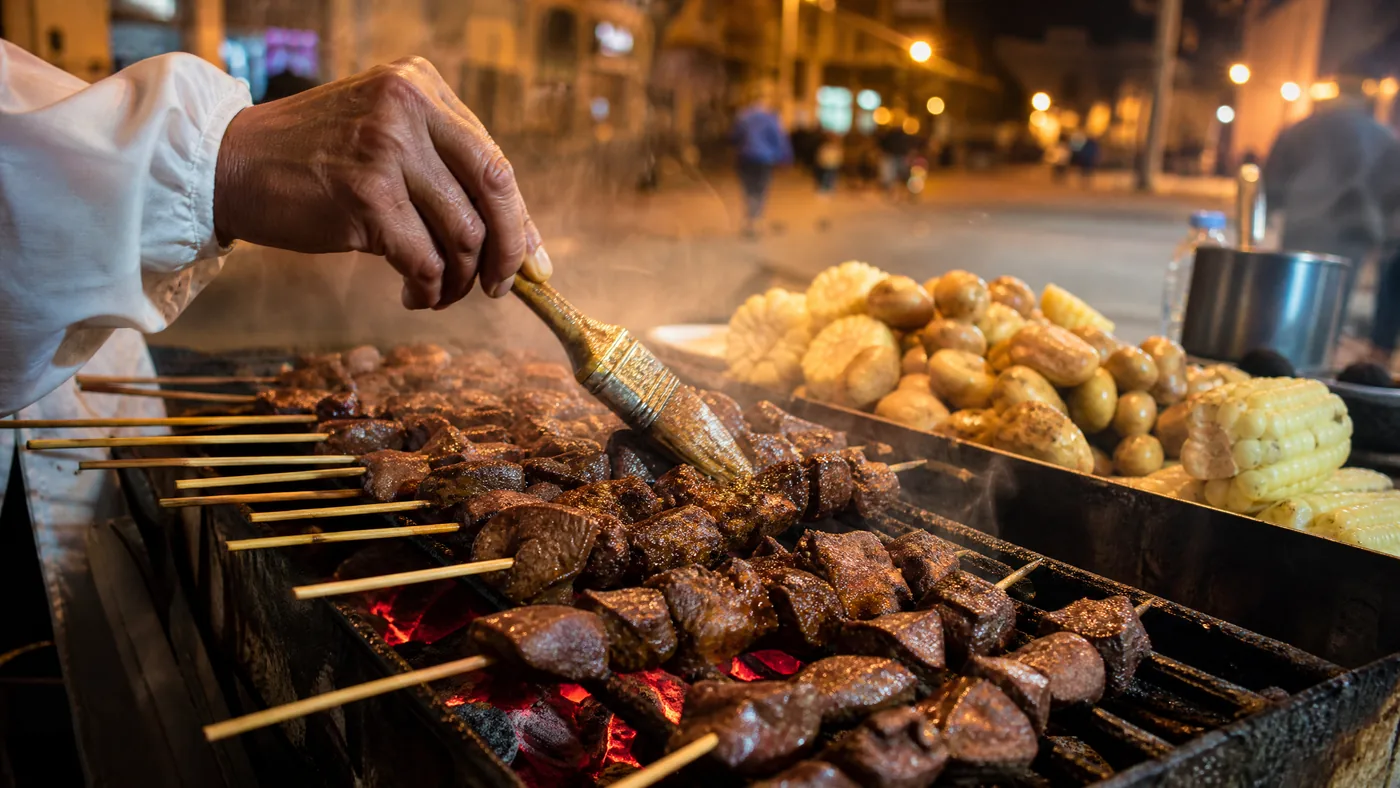
- Africa: enslaved cooks in colonial Lima turned offal into anticuchos and shaped Criollo cooking.
- China (from 1849): Chinese workers settled around Calle Capón, today's Barrio Chino, and opened the first chifas.
- Japan (from 1899): Japanese families gave Lima Nikkei cooking, the short-cured modern ceviche and tiradito.
The Criollo Nights listing sums it up as indigenous crops, Spanish livestock, African ingenuity, Chinese woks and Japanese knife skills colliding for centuries.
Chaufa amazónico, papa rellena, ceviche and anticuchos: 14+ tastings in the old town after dark, max 8 guests.
Check dates for the Criollo Nights tourWhat are chifa and Nikkei?
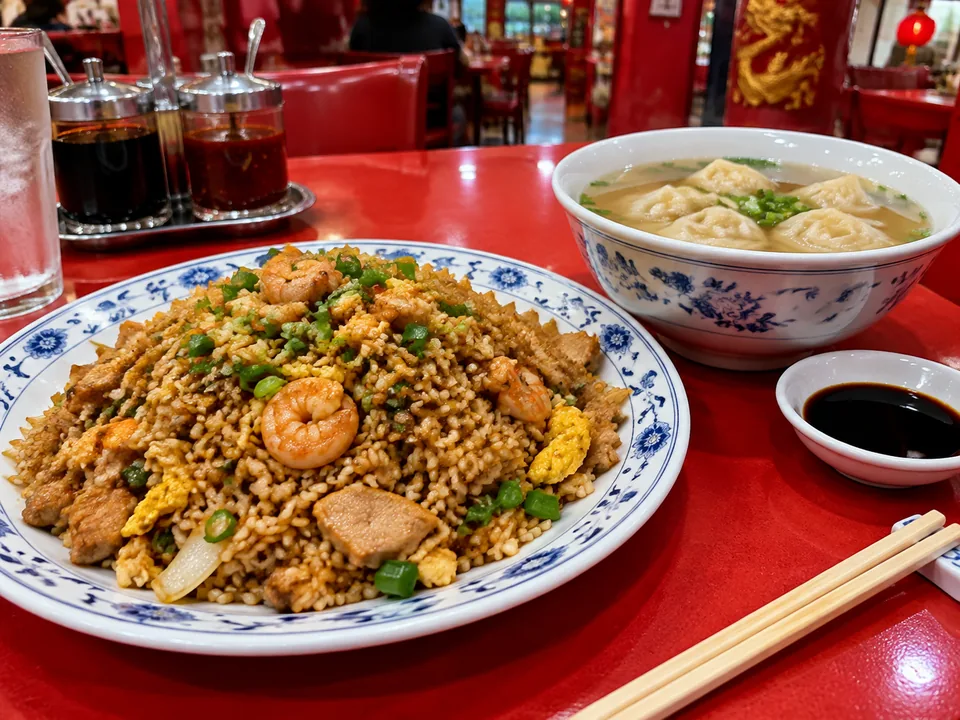
Chifa is Chinese-Peruvian cooking, Nikkei is Japanese-Peruvian. Both started as immigrant food and became everyday Lima.
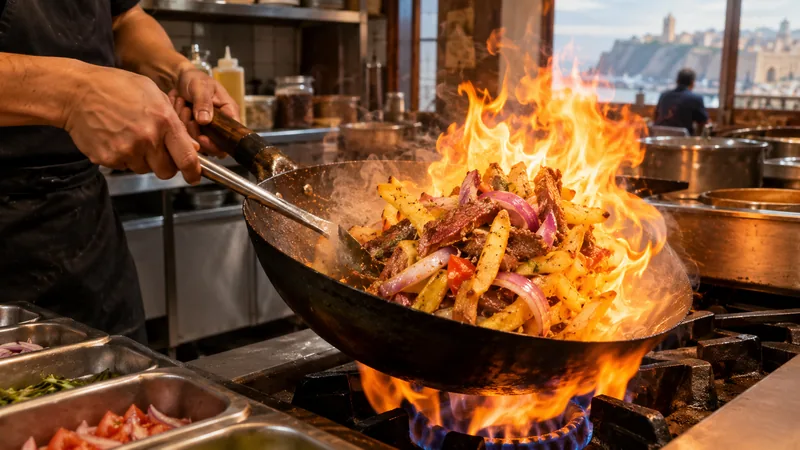
Chifa gave Peru arroz chaufa, wonton soup and the wok that makes lomo saltado. Chifas are everywhere in Lima, and Barrio Chino, by the Central Market, is where it began. The historic centre tour and the two-hour tour both stop there.
Nikkei is the finer branch: tiradito, sushi rolls with Peruvian sauces and seafood cooked with Japanese care. Maido, Mitsuharu Tsumura's Nikkei restaurant, was named the World's Best Restaurant in 2025.
Is Peruvian food the best in the world?
Many judges think so. Peru has been named World's Leading Culinary Destination more than a dozen times, and a Lima restaurant topped the 2025 World's 50 Best.
On The World's 50 Best Restaurants 2025, Maido was No. 1, Kjolle No. 9, Mérito No. 26 and Mayta No. 39: four Lima restaurants in the top 50. Central, No. 1 in 2023, now sits in the Best of the Best, and Maido joins it. The 2026 list will be announced in Lima itself on 4 November 2026, the first time the ceremony comes to South America. Our World's 50 Best 2026 post covers it.
Awards are fine dining. The everyday food is what wins people over, and that is what a tour serves.
Peru's emblematic dishes, drinks and fruits over a 4-hour lunch in Barranco, with a guide who tells the story behind each bite. 4.9 stars from 944 reviews.
Explore the Barranco food tour Tour detailsIs Peruvian food better than Mexican food?
Neither wins. They are different: Mexico builds on corn, beans and slow-cooked chile sauces, Peru on potatoes, fresh ají, seafood, lime and the wok.
Both are heavyweights. UNESCO listed traditional Mexican cuisine in 2010 and Peruvian ceviche in 2023. On the 2025 World's 50 Best, Quintonil in Mexico City was No. 3, two places behind Maido. Mexican food tends toward deep, toasted and layered flavours, like a mole. Peruvian food tends toward bright and sharp, like a ceviche, with Asian cooking built in.
| Peru | Mexico | |
|---|---|---|
| Staples | Potato, corn, rice, fish | Corn, beans, chile |
| Signature flavour | Lime and fresh ají | Toasted dried chiles |
| Iconic dish | Ceviche | Mole, tacos |
| Big outside influence | Chinese and Japanese | Spanish |
| UNESCO listing | Ceviche, 2023 | Traditional cuisine, 2010 |
What is the healthiest Peruvian dish?
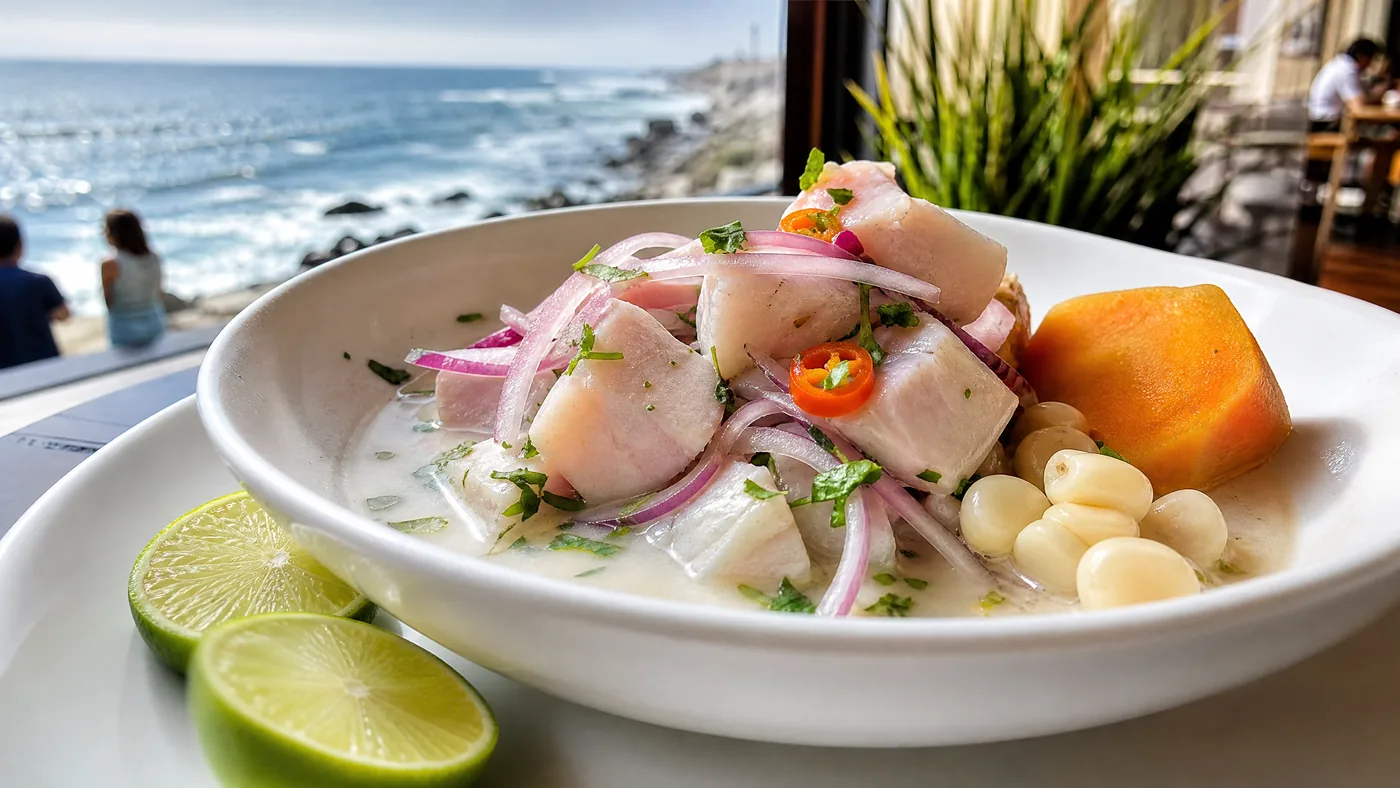
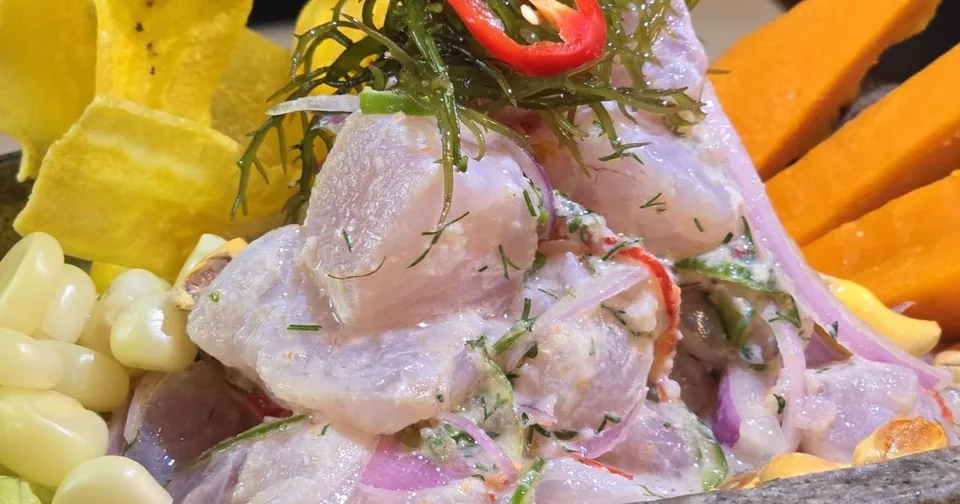
Ceviche: raw fish, lime, onion and chili, with sweet potato and corn. Tiradito and quinoa dishes come close.
The coastal food is light by nature, built on fish, citrus and vegetables. Causa is mostly potato and lime, and quinoa from the Andes turns up in soups and salads. The fried side of Lima is real too, from picarones to salchipapa, and it is worth one evening.
How can you taste all of this in one trip?
Take a market tour for the ingredients, a lunch tour for the classics and a street tour for chifa and the grills.
The Surquillo market tour covers the pantry and the fusion in 3 hours 30 minutes: fruit, ceviche, Criollo stews and a Nikkei or Amazonian bite. The Barranco food tour covers the classics as a full lunch. The historic centre tour covers the streets, the big market and Barrio Chino. Our list of what to eat in Lima is the checklist.
Ten-plus tastings from the Surquillo market to Parque Kennedy, with vegetarian, lactose-free and gluten-free menus.
Check dates for the Surquillo market tourFrequently asked questions
Does Peru have one of the best foods in the world?
Yes, by most measures. Peru won the World Travel Awards title of World's Leading Culinary Destination again in 2025, and Lima's Maido was No. 1 on The World's 50 Best Restaurants 2025.
Which cuisine is better, Mexican or Peruvian?
Neither. Mexican food leans on corn, beans and slow chile sauces; Peruvian food on potatoes, fresh ají, seafood and lime, with Chinese and Japanese influence.
What do Peruvians eat the most?
Rice, potatoes and chicken. Pollo a la brasa is the national favourite, eaten about three times a month on average.
What is chifa?
Chinese-Peruvian cooking, born around Calle Capón in Lima's Barrio Chino after Chinese workers arrived from 1849. Arroz chaufa is its best-known dish.
Ready to book
Choose your food tour
Free cancellation up to 24 hours before on every option. Prices are from-prices in USD and move with the season.
Surquillo Market and Miraflores: 10+ Tastings
Exotic fruit at the market, ceviche and pisco, then Criollo food by Parque Kennedy
Ultimate Peruvian Food Tour in Barranco
- Tastings that add up to lunch
- Coffee, soft drinks and pisco
- Ceviche and lomo saltado demonstrations
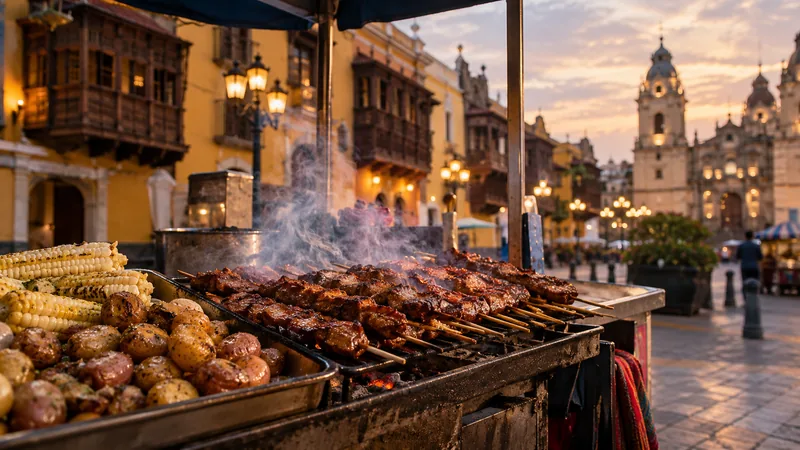
Historic Centre Street Food and Market Tour
- Street food and eatery tastings
- A drink at an old casona
- Lima's largest market and Chinatown