Booking choice: The Barranco food tour, from $105 per person. Check dates Tour details
PromPerú calls Lima the Gastronomic Capital of the Americas and says that in Lima everything centres on food. That is not tourist-board talk. Fish from the Pacific, potatoes and peppers from the Andes and fruit from the Amazon meet here, cooked by the grandchildren of Spanish, African, Chinese and Japanese families.
This guide lists the dishes worth your appetite, what each one is and where you will meet it. If you want to taste most of them in one afternoon, a food tour is the short cut. Tours differ in what the price covers, from a full lunch to a dozen small bites, so we say which one serves what.
The quick answer
Eat ceviche at lunch, lomo saltado and causa at a Criollo restaurant, anticuchos off a street grill at night and pollo a la brasa with Inca Kola like everyone else in town. For dessert, picarones and suspiro a la limeña. To drink, a pisco sour, a chilcano or chicha morada. The Barranco food tour covers the big three (ceviche, lomo saltado, pisco sour) as a full lunch from $105, and the historic centre street food tour covers the street side from $69.
What food is Lima known for?
Ceviche first, then Criollo cooking like lomo saltado and causa, chifa (Chinese-Peruvian) and Nikkei (Japanese-Peruvian).
Lima's food is a mix with a long memory. The Moche cured fish long before the Spanish arrived with limes and onions. Enslaved Africans turned beef heart into anticuchos. Chinese workers, who came from 1849, opened the first chifas around Calle Capón in what is now Barrio Chino. Japanese families, from 1899, gave the city Nikkei cooking and the sashimi-thin tiradito.
The result is a city where a plate of fried rice and a bowl of raw fish in lime are both called local. PromPerú puts it plainly: the true secret is the freedom to create.
What is the national dish of Peru?
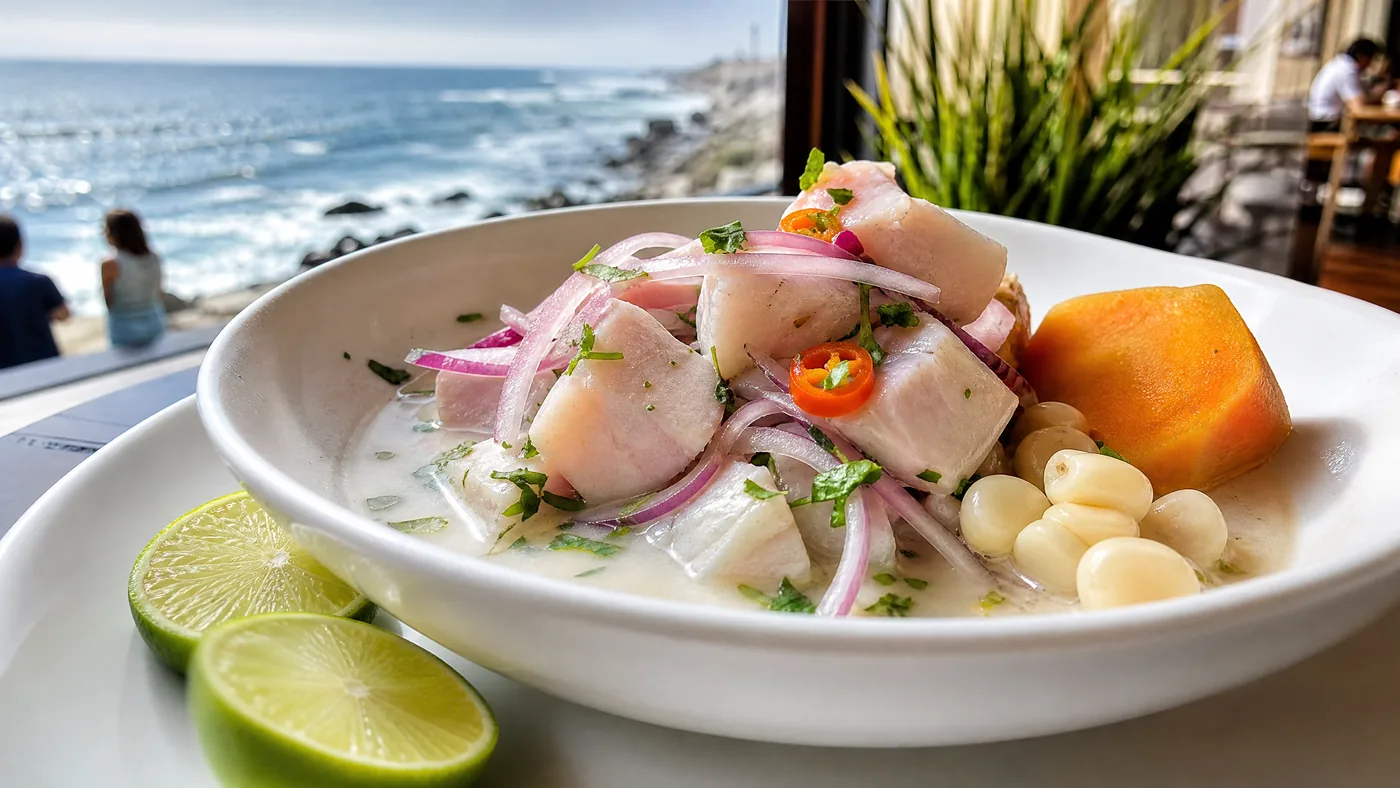
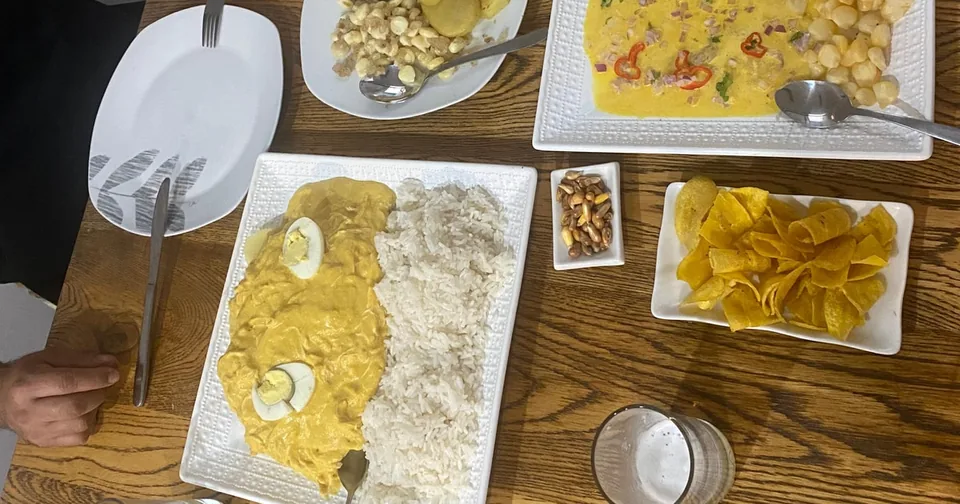
Ceviche. Peru declared it Cultural Heritage of the Nation in 2004, and UNESCO added it to its Intangible Cultural Heritage list in December 2023.
Raw white fish is cut into cubes, cured for a few minutes in lime juice with red onion, salt and ají limo or rocoto, and served with sweet potato and corn. The juice left on the plate is leche de tigre, and Limeños drink it. Every 28 June is the Día Nacional del Cebiche.
Two other dishes fight for the title in everyday life. Lomo saltado, beef stir-fried in a wok with onion, tomato, soy sauce and fries, served with rice, is the Criollo plate everyone orders. Pollo a la brasa is what Peru eats most. Our ceviche guide covers the national dish in depth.
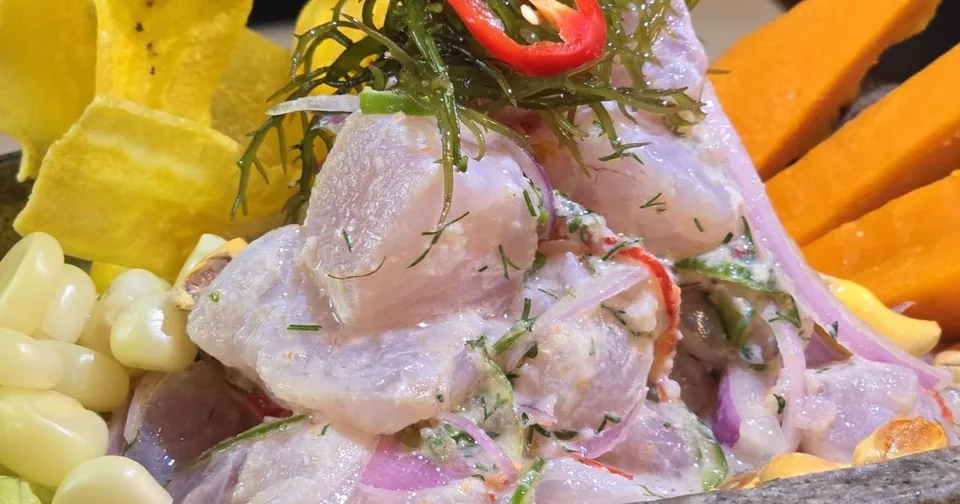
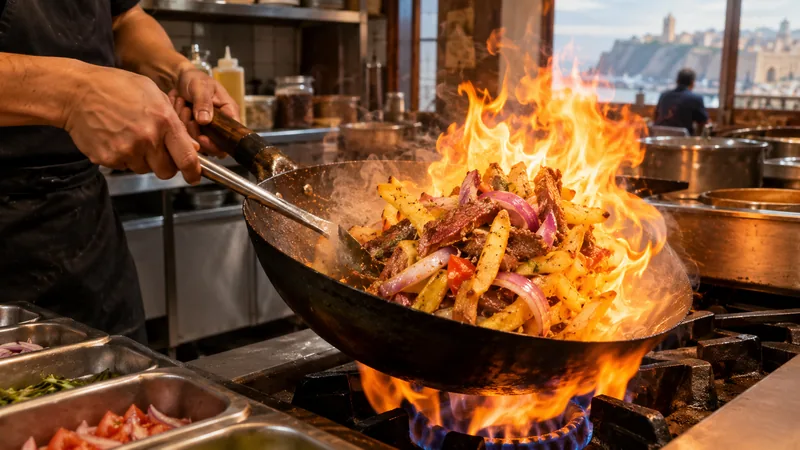
Watch ceviche, lomo saltado and a pisco sour made in front of you in Barranco, then eat a full lunch's worth of Peru. Free cancellation up to 24 hours before.
Explore the Barranco food tour Tour detailsWhat are the must-try foods in Lima?
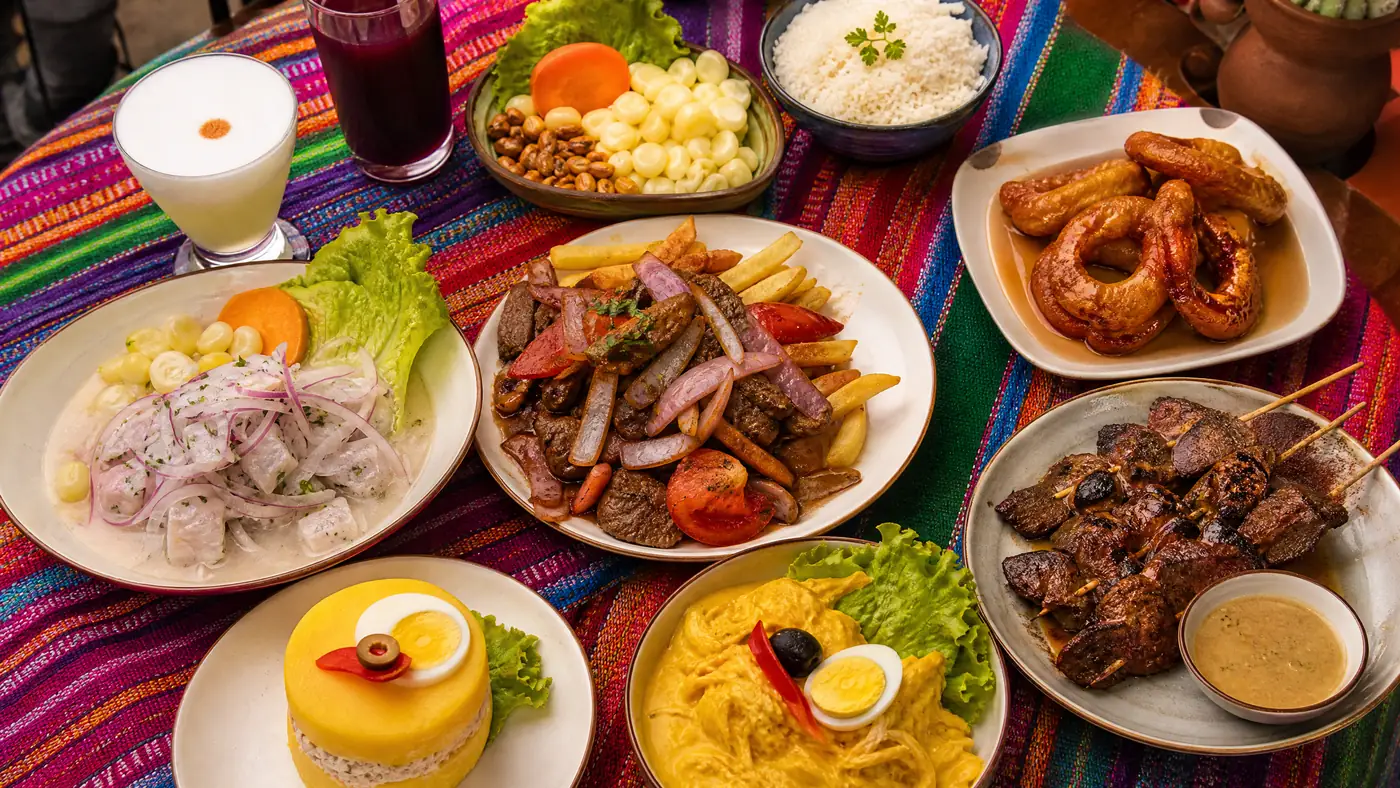
Ten dishes cover most of the city: ceviche, tiradito, lomo saltado, causa, ají de gallina, anticuchos, pollo a la brasa, chaufa, pan con chicharrón and picarones.
Not every tour serves every dish, so the table shows where each one turns up on the tours we list. Lunch-style tours lean on restaurant plates. Street food tours lean on grills, carts and the market.
| Dish | What it is | Where you meet it |
|---|---|---|
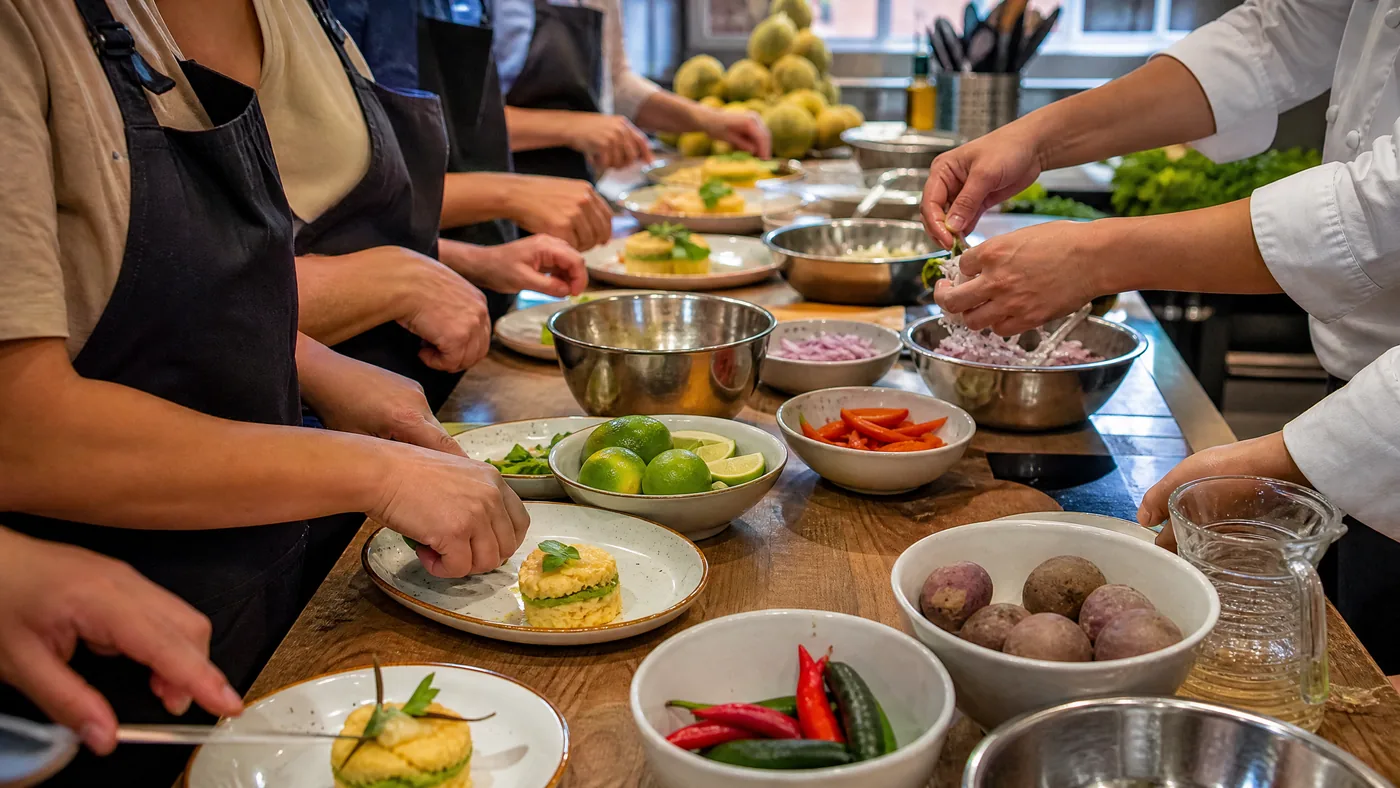
| Ceviche | Raw fish cured in lime with onion and chili | Almost every tour; you make it on the Miraflores cooking class |
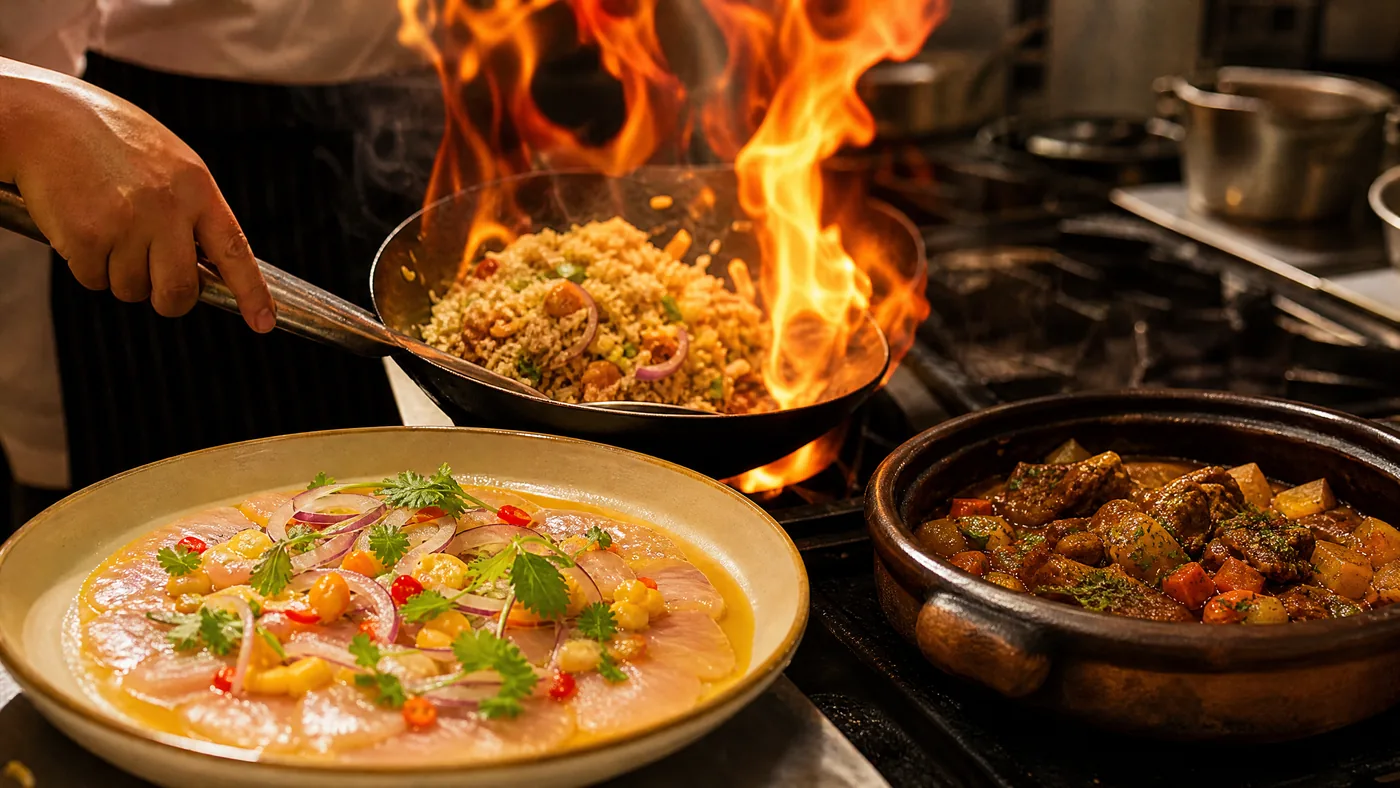
| Tiradito | Thin slices of raw fish under a chili sauce, no onion | Nikkei restaurants, the Nikkei bite on the Surquillo market tour |
| Lomo saltado | Beef, onion and tomato flamed in a wok, with fries and rice | Prepared in front of you on the Barranco food tour |
| Causa limeña | Cold layered yellow potato with lime and ají amarillo, filled with chicken or tuna | Cooking class with market tour, ceviche and pisco tour |
| Ají de gallina | Shredded chicken in a creamy yellow-pepper sauce | Criollo restaurants and home-style stops |
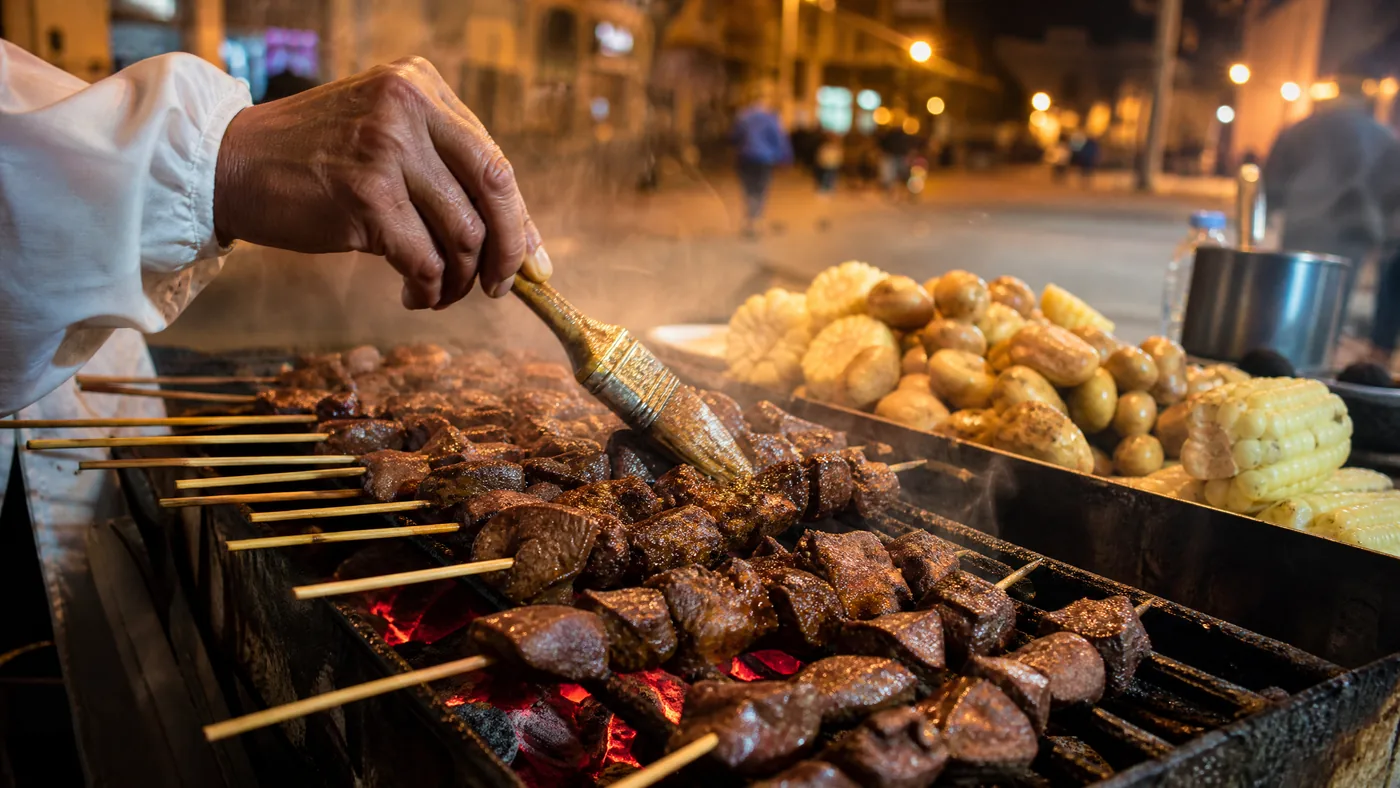
| Anticuchos | Grilled beef-heart skewers with potato and corn | Historic centre tour, two-hour street food tour |
| Pollo a la brasa | Rotisserie chicken with fries, salad and yellow-pepper sauce | The ceviche and pisco tour |
| Chaufa | Chifa fried rice; the Amazon version adds jungle ingredients | Barrio Chino, Criollo Nights |
| Pan con chicharrón | Fried pork and sweet potato in a bun with salsa criolla | Weekend breakfast spots |
| Picarones | Squash and sweet-potato doughnuts in cane syrup | Street carts, the two-hour street food tour |
What do Peruvians eat the most?
Rice, potatoes and chicken, and above all pollo a la brasa. Wikipedia puts the average at about three times a month.
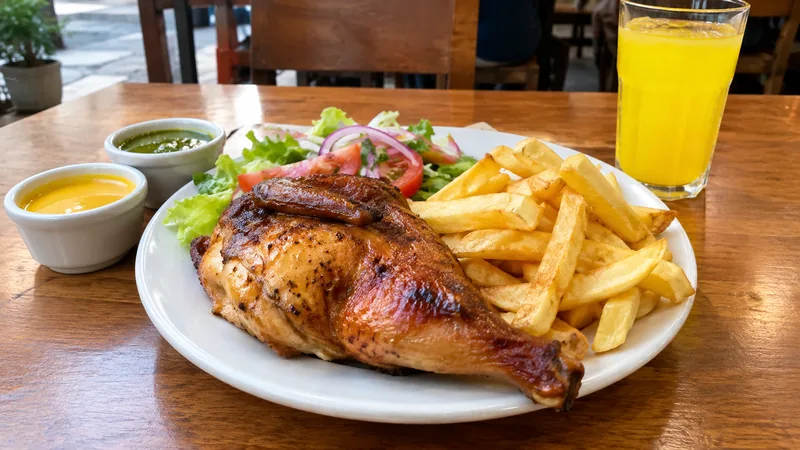
Pollo a la brasa was born in 1950 in Chaclacayo, on the edge of Lima, where the Swiss immigrant Roger Schuler roasted chicken on a turning spit, according to Marca Perú. It comes with thick fries, a simple salad and a set of sauces, with a cold Inca Kola on the side. Peru gives it its own day, the third Sunday of July.
Lunch is the big meal of the day. Many Limeños eat a set lunch of soup and a main at a small local spot, and the evening is lighter. Plan your own day the same way and you will eat better.
What is eaten for breakfast in Peru?
In Lima, the classics are pan con chicharrón and tamales, best on weekend mornings, with coffee or a hot emoliente from a street cart.
Pan con chicharrón is fried pork and slices of sweet potato in a crusty roll, topped with salsa criolla (red onion, lime and ají). Marca Perú names the district of Lince for it. Tamales are corn dough filled with pork or chicken, wrapped in leaves and steamed, eaten with the same onion salsa. That makes pork the common breakfast meat.
Emoliente is the street drink of the morning: roasted barley and herbs, served hot from a cart. On weekdays most people keep it simple, with bread, cheese, avocado and coffee.
A market morning in Surquillo, then ceviche and pisco and a walk into Miraflores for Criollo stews: 10+ dishes and drinks.
Check dates for the Surquillo market tourWhat do people in Peru usually eat for dinner?
A lighter meal than lunch, often chifa, pollo a la brasa, a sandwich or anticuchos from a grill that only fires up at dusk.
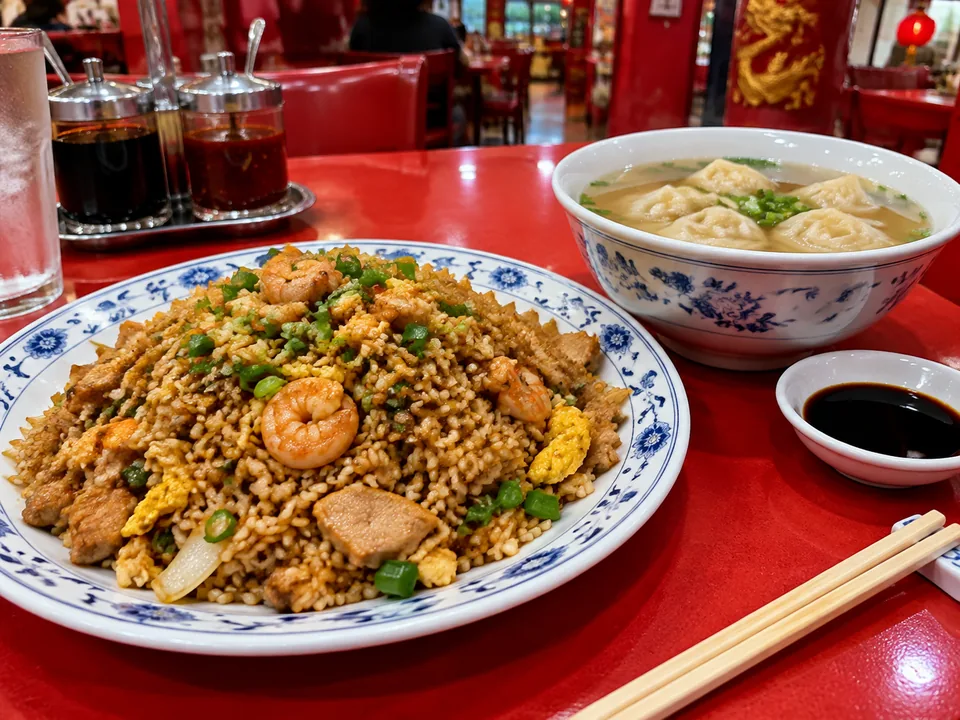
Ceviche is a lunch dish, so do not plan it for dinner. Evenings belong to smoke and woks. Anticucheras set up their grills as the light goes, chifas fill with families sharing fried rice and wonton soup, and the pollerías stay busy late.
If you want the evening side with a guide, Criollo Nights walks 6 to 7 stops in the old town after dark with 14+ tastings, from chaufa amazónico to anticuchos. It is new, with 5 reviews so far, all at 5 stars. Guests on the historic centre tour say some groups also go at night.
What is Peru's most bizarre food?
Cuy, roast guinea pig, is the one visitors talk about. In Lima you are more likely to try anticuchos, which are beef heart.
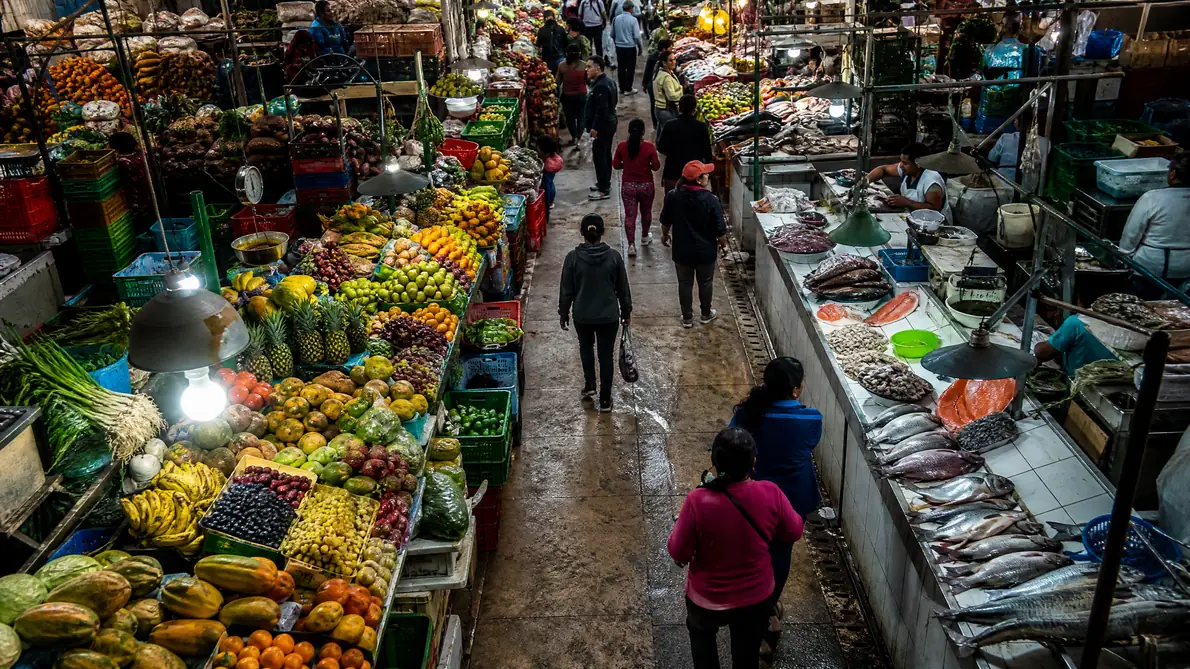
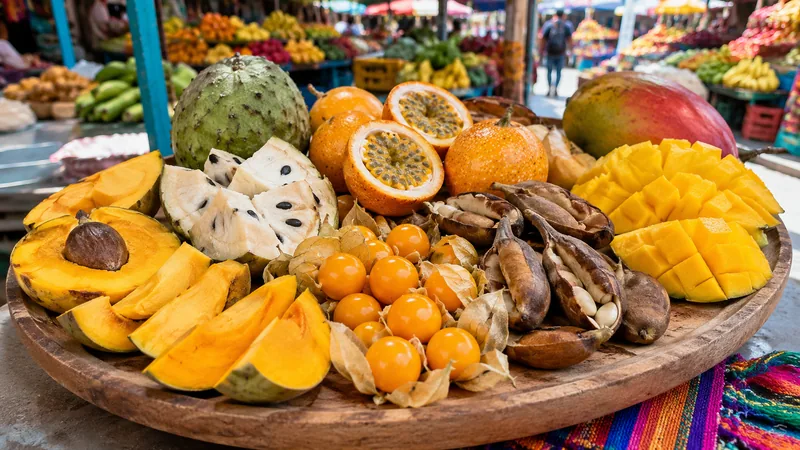
Cuy is an Andean dish, often served whole, and some Lima restaurants keep it on the menu. Anticuchos are the street version of adventurous eating, and they taste like a very tender steak with smoke. After that, the strange part is mostly the fruit: lúcuma, chirimoya, granadilla and aguaymanto are new to most visitors.
The market tours are where you meet these. The Barranco tuk-tuk tour lists 10+ seasonal fruits on top of its 13 tastings.
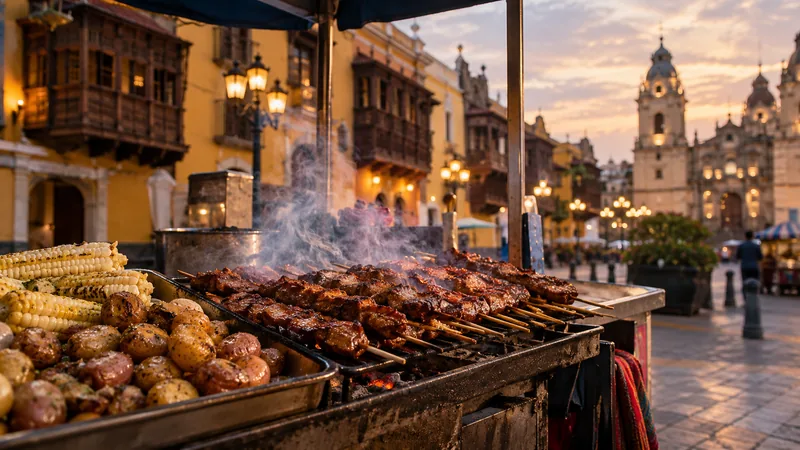
Anticuchos, creole churros, a chilcano in an old casona, Lima's largest market and Barrio Chino with a local guide. About 10 items, guests say.
Explore the historic centre street food tour Tour detailsWhich desserts and drinks should you try in Lima?
Picarones, suspiro a la limeña, mazamorra morada, arroz con leche and turrón de Doña Pepa. To drink, pisco sour, chilcano, chicha morada and Inca Kola.
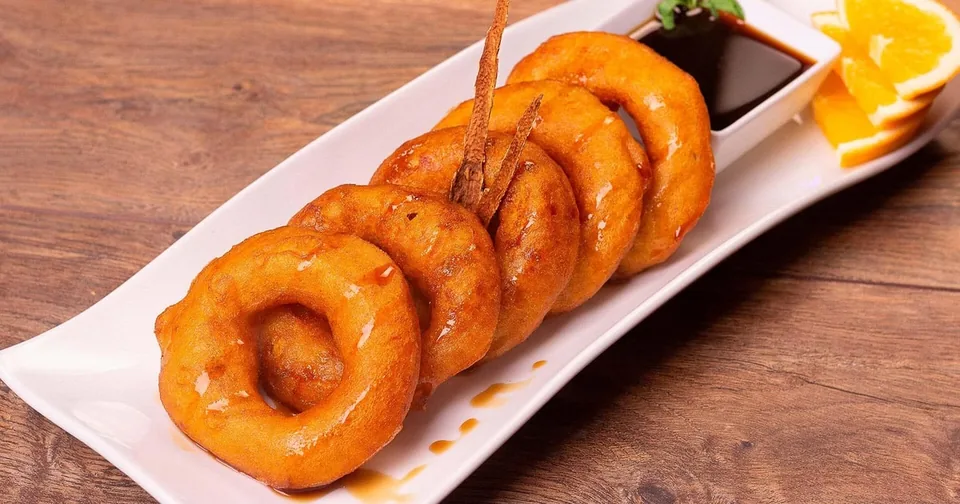
- Picarones: rings of squash and sweet-potato dough, fried and soaked in chancaca syrup.
- Suspiro a la limeña: caramel-like manjar blanco under meringue, served in a glass. Marca Perú ties it to the writer José Gálvez Barrenechea and his wife Amparo Ayarez.
- Mazamorra morada and arroz con leche: purple-corn pudding and rice pudding, often served together in one cup as a "clásico".
- Turrón de Doña Pepa: anise bars under cane-sugar honey and sprinkles, eaten in October for the Señor de los Milagros processions.
- Pisco sour and chilcano: pisco with lime, egg white and bitters, or with ginger ale and lime.
- Chicha morada and Inca Kola: the purple-corn drink and the yellow soda, both without alcohol.
Frequently asked questions
What is the famous food of Peru?
Ceviche, raw fish cured in lime juice with onion and chili. Lomo saltado, causa, anticuchos and pollo a la brasa follow close behind, with pisco sour as the national drink.
What food to try in Lima on a short trip?
Ceviche at lunch, lomo saltado, causa, anticuchos, pollo a la brasa and picarones. A single food tour covers most of them in 3 to 4 hours.
Is Peruvian food spicy?
Less than people expect. Ají gives colour and fruit more than fire, and the hot rocoto sauce usually comes on the side.
Is the food on a Lima food tour enough for a meal?
Yes on most of them. Guests often say they skipped lunch or left too full for dinner, and the Barranco tour lists lunch as included.
Ready to book
Choose your food tour
Free cancellation up to 24 hours before on every option. Prices are from-prices in USD and move with the season.
Ultimate Peruvian Food Tour in Barranco
- Tastings that add up to lunch
- Coffee, soft drinks and pisco
- Ceviche and lomo saltado demonstrations
Historic Centre Street Food and Market Tour
- Street food and eatery tastings
- A drink at an old casona
- Lima's largest market and Chinatown
Surquillo Market and Miraflores: 10+ Tastings
Exotic fruit at the market, ceviche and pisco, then Criollo food by Parque Kennedy